Leadership
Bill Gates: From Software Founder to Chair of a Foundation That Plans to Close in 2045
Bill Gates co-founded Microsoft in 1975 and now chairs the Gates Foundation, which has set a closing date of 2045. Here is his career, the ideas he writes and speaks about, his books and talks.
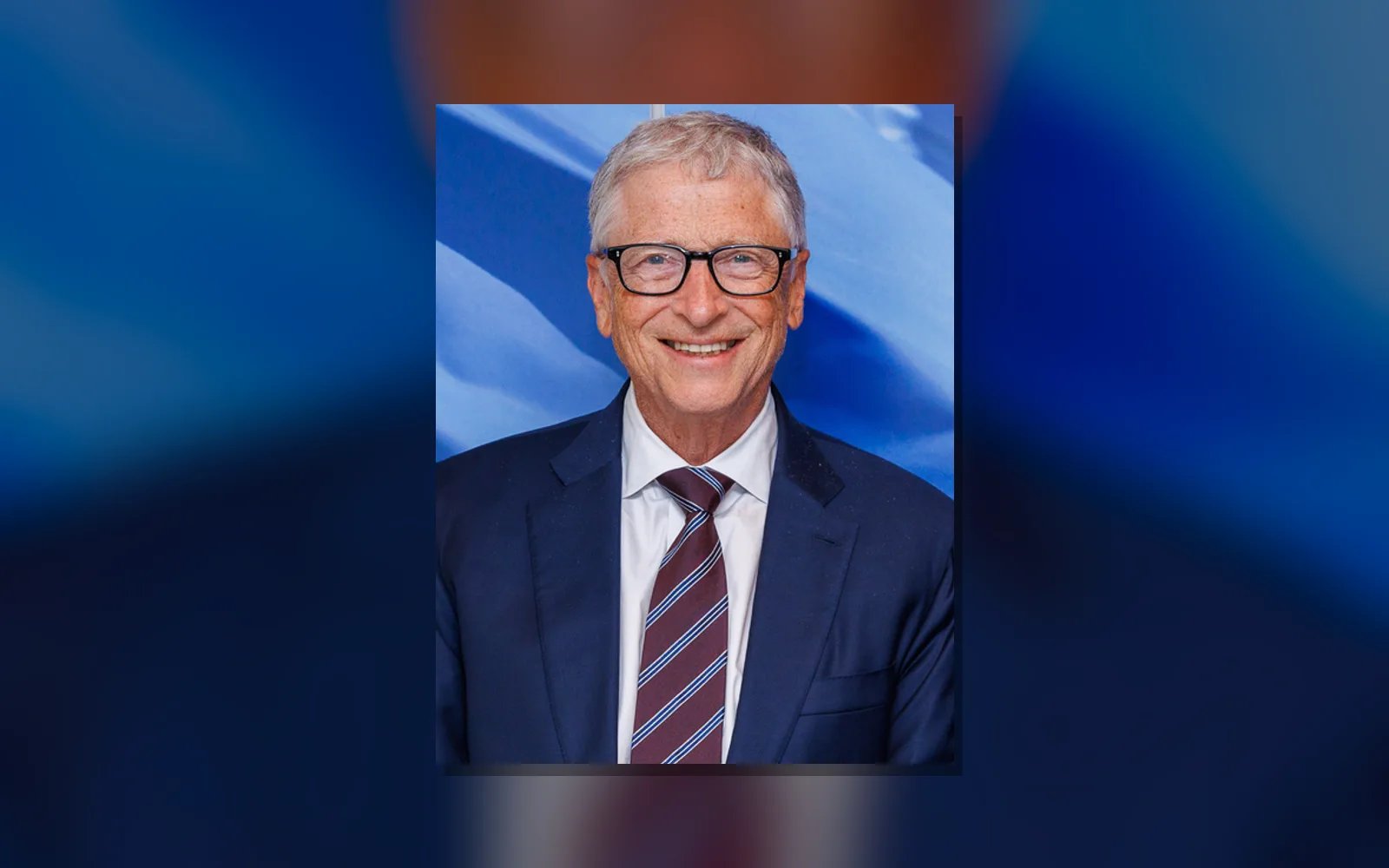
Who is Bill Gates?
Bill Gates is an American software pioneer and philanthropist. He co-founded Microsoft with Paul Allen in 1975 and led it as chief executive until 2000. Today he chairs the Gates Foundation, one of the world's largest private charities, and writes and speaks about global health, climate and technology.
- Current role
- Co-founder, Microsoft; Chair, Gates Foundation
- Known for
- Co-founding Microsoft; large-scale philanthropy
- Born
- 1955, Seattle, Washington
- Education
- Harvard (left 1975, no degree)
- Books
- The Road Ahead; Source Code; 3 others
Why Gates matters to leaders
Gates shows how a leader can change roles without losing influence: founder, CEO, technical architect, adviser, then full-time funder with a fixed end date. The 2045 closing plan is a clear lesson in setting a deadline so that money and attention go to results rather than to the institution itself.
The career
Gates was born in Seattle in 1955 and went to Lakeside School, where he met Paul Allen. He enrolled at Harvard in 1973 and left in 1975 without finishing a degree,. That year he and Allen started Microsoft.
Microsoft was incorporated in 1981, with Gates as president and chairman. He served as CEO until 2000, when Steve Ballmer took over, and then focused on product strategy as chief software architect. In 2014 he stepped down as chairman to become a technology adviser to CEO Satya Nadella. He left the Microsoft board in 2020.
In 2000 Gates and Melinda French Gates combined three family foundations into what became the Gates Foundation. After the couple's divorce, the organisation was renamed in 2025 and Gates became its sole chair, as the foundation's own fact sheet lists him.
In May 2025 he announced that the foundation would spend an additional $200 billion and close at the end of 2045, a plan restated in the foundation's January 2026 budget release. Gates also founded Breakthrough Energy, announced at the 2015 Paris climate conference, and co-launched the Giving Pledge with Warren Buffett in 2010.
What Gates speaks about
- Global health. Vaccines, disease control and child survival are the core of the foundation's work and of his public messages.
- Climate and energy. His book on climate argues for cutting emissions through new technology as well as policy.
- Pandemic preparedness. He has argued for years that countries should invest before the next outbreak, and wrote a book on the subject.
- Technology and AI. He regularly writes about how software and artificial intelligence could change work, education and health.
- Giving. He describes philanthropy as a way to put wealth to work on problems markets do not solve.
Notable talks and appearances
Gates has given many TED talks since 2009 on innovation, education and disease. His 2015 TED talk "The next outbreak? We're not ready" is among the best known. He also publishes his thinking on his own site, Gates Notes.
The work in numbers
The Gates Foundation reports about $8.5 billion in charitable support for calendar 2025 and a board-approved annual payout of $9 billion going forward. It had 2,215 employees at the end of 2025 and funded work in 143 countries that year.
Microsoft, the company Gates co-founded, has kept growing since he left its board. The chart shows its revenue for fiscal years 2022 to 2025.
| FY2022 | $198.3 bn |
|---|---|
| FY2023 | $211.9 bn |
| FY2024 | $245.1 bn |
| FY2025 | $281.7 bn |
Microsoft's revenue rose from $198.3 billion in fiscal 2022 to $281.7 billion in fiscal 2025, according to the company's earnings releases.
Key moments
- 1975Leaves Harvard and co-founds Microsoft with Paul Allen
- 1981Microsoft incorporates; Gates becomes president and chairman
- 2000Steps down as CEO; co-founds the Gates Foundation
- 2010Co-launches the Giving Pledge with Warren Buffett
- 2014Leaves the chairman role to advise Microsoft's CEO
- 2020Resigns from the Microsoft board
- 2025Publishes the memoir Source Code; announces foundation will close in 2045
- 2026Foundation board endorses a $9 billion annual payout
Books
- The Road Ahead (1995)
- Business @ the Speed of Thought (1999)
- How to Avoid a Climate Disaster (2021)
- How to Prevent the Next Pandemic (2022)
- Source Code: My Beginnings (February 2025), the first of three planned memoirs
Where to find Gates
You asked
What is Bill Gates doing now?
He chairs the Gates Foundation, which plans to give away $200 billion more and close at the end of 2045. He also writes books and a regular blog.
Is Bill Gates still at Microsoft?
No. He stopped being CEO in 2000, left the chairman role in 2014 and resigned from the board in 2020.
What books has Bill Gates written?
The Road Ahead, Business @ the Speed of Thought, How to Avoid a Climate Disaster, How to Prevent the Next Pandemic and the memoir Source Code.
Why did Bill Gates leave Harvard?
He left in 1975 to start Microsoft with Paul Allen.
Sources
- Wikipedia, Bill Gates
- Gates Foundation, Foundation fact sheet
- Gates Foundation, Historic annual budget to accelerate mission
- Microsoft, FY2025 Q4 earnings
- Microsoft, FY2023 Q4 earnings
- Wikipedia, Gates Foundation
This profile was compiled by the Leaders Dispatch desk from public sources and is not sponsored or endorsed by Bill Gates. To suggest a correction or request an update, use our contact page.
This interview has been edited for length and clarity.